
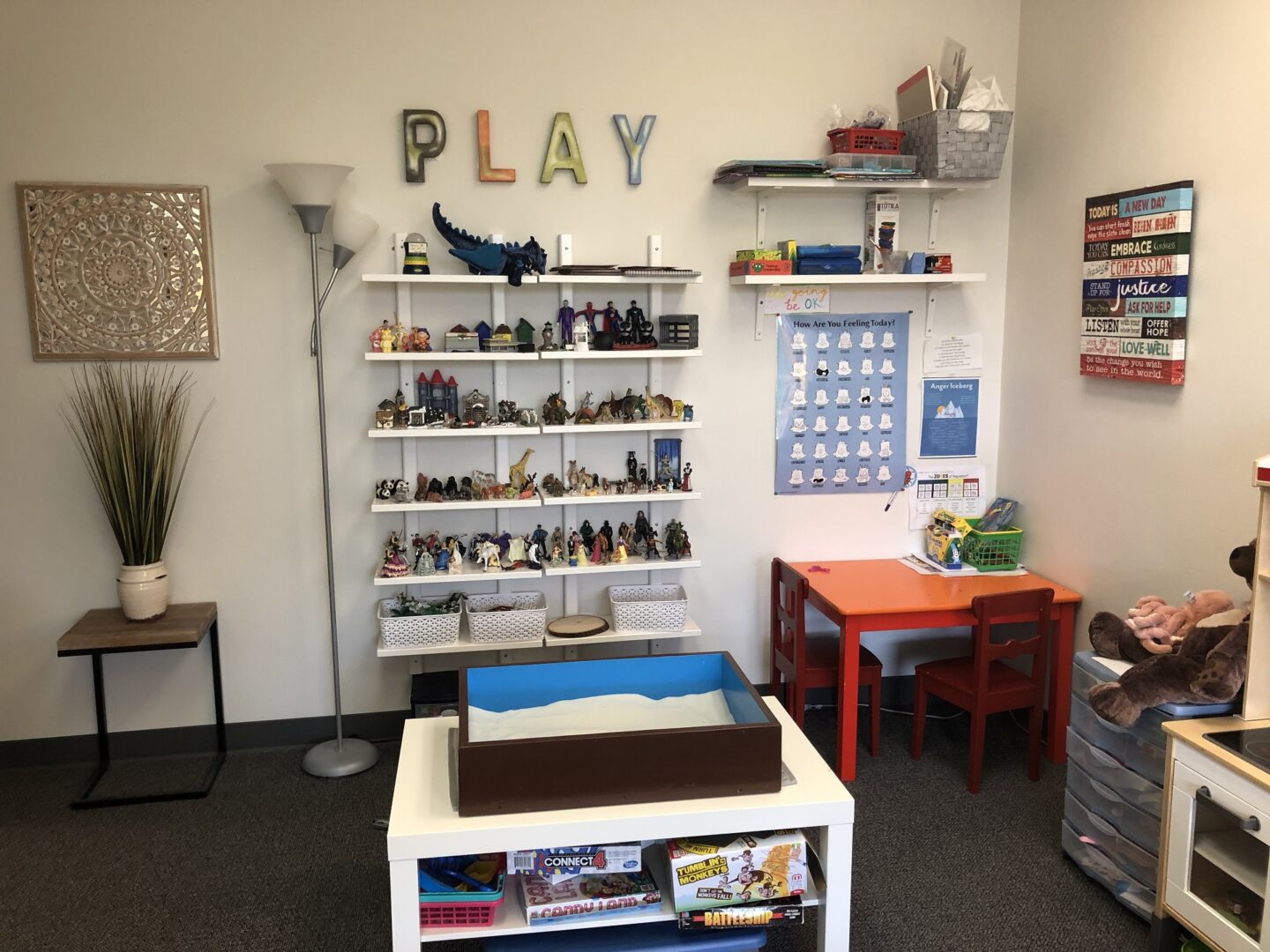

For the past 19 years, I have used Sandtray Therapy in my practice with kids, teens, adults, and families. Using Sandtray Therapy in the counseling process can deepen the expression of feelings and situations. It is a symbolic representation that gives pictures and something concrete to how we express and process our feelings and experiences. Here are 5 of some of the most used figures in my office and why I think they are so valuable.
1. Caged Bird
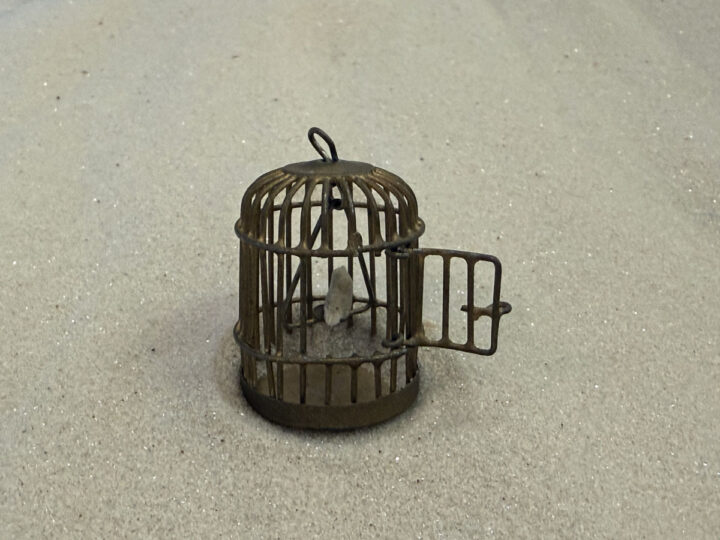
I’ve had this figure since I started as a counselor and was a gift from a retiring therapist. It is used frequently with all ages. It can symbolize a longing for freedom, oppression, or justice. It can also express the feeling of being trapped-physically or psychologically.
2. Three-headed dog

The 3-headed dog has a long history particularly in Greek mythology as Cerberus-the guard of the underworld that represented protection between life and death. I have seen it used as a symbol for something scary, fear, protection or as a way to express anger. Some clients are reminded of Fluffy, the 3 headed dog in the popular Harry Potter series as well.
3. Water
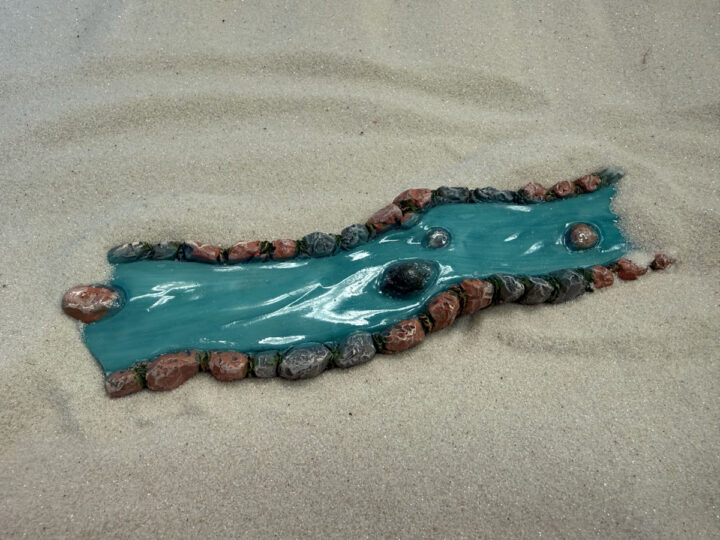
Water, in this form or others, is quite popular and used frequently in building a picture in the Sandtray. Water is described in Jungian Sandplay therapy as a language of the psyche. It is an element that we can not live without. It is frequently associated with feelings, movement, and the unconscious. It can be symbolic of renewal, growth and making space for healing.
4. Trees
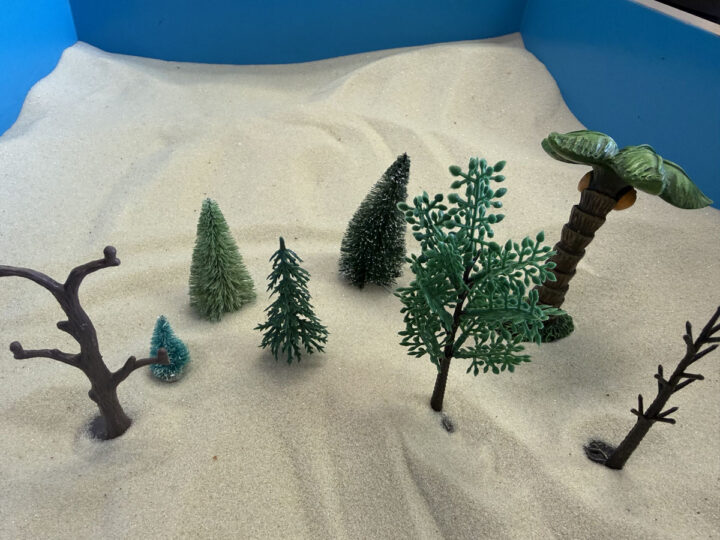
All sorts of trees are used very commonly in Sandtray Therapy. Trees can help express growth, change, wisdom, hope and family. Many faiths and cultures give special meaning to trees. They can be related to power or connection to nature.
5. Fences
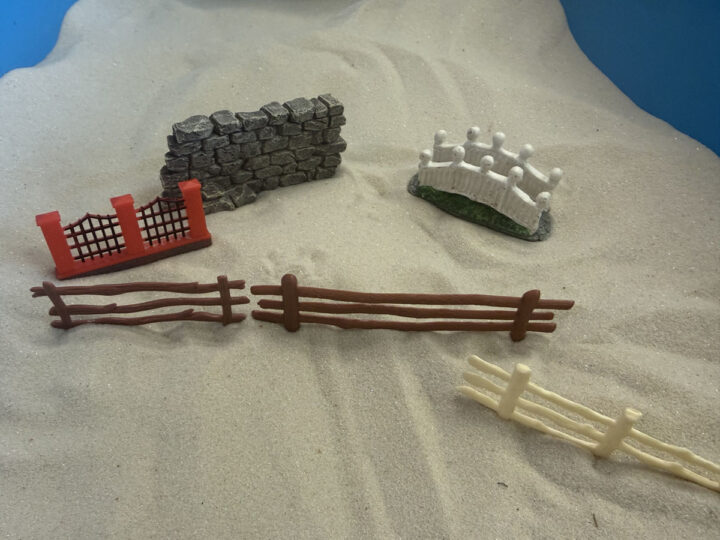
Fences are essential to any Sandtray collection as they can give structure, boundaries and a sense of control. Fences can also mean safety or protection. Children and teens use these often especially-possibly because they often need a sense of control in the adult-controlled world.
It is good to remember that any meaning assigned to a sandtray figure belongs to the client. We see themes and possible meanings, but ultimately it is for the client to decide and express how they want to use figures. Sandtray is an expressive therapy, therefore has to be a judgment free space.
To learn more about Sandtray therapy, feel free to contact Ivy Ross, LMFT, RPT-S at ivy@treehousecounselingoregon.com.