
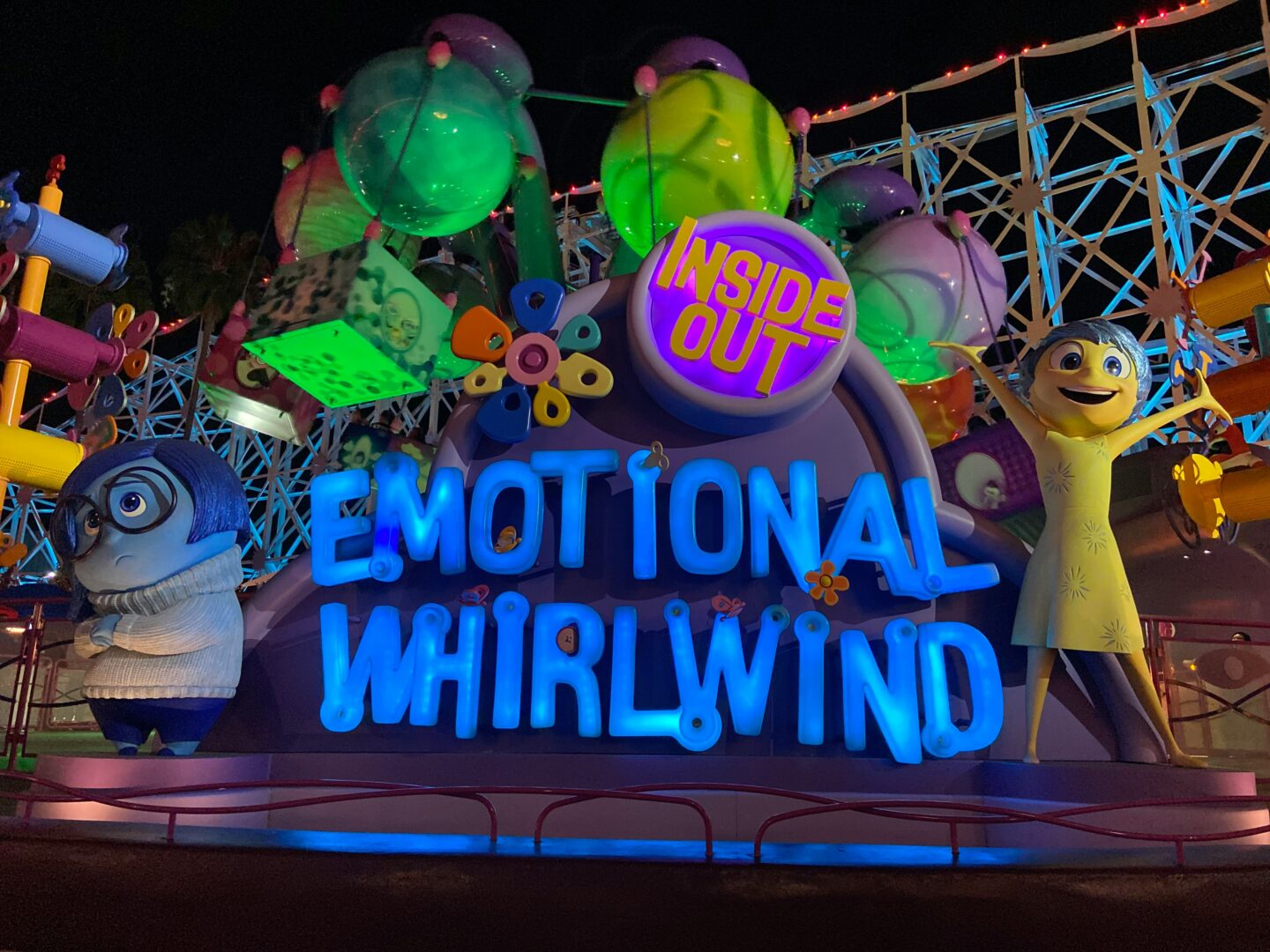

Many kids and families have viewed Pixar’s film Inside Out (released 2015). The film provides a creative and engaging exploration of an 11 year old Riley’s emotions.
From a child therapist’s perspective, the film is very insightful and useful in how it depicts emotional development and mental health. The premise of the film is that the core emotions that Riley experiences (Joy, Anger, Sadness, Fear and Disgust) are personified characters within her mind. This serves as a useful concrete tool for kids and adults to help identify, notice, and express emotions.
Helpful mental health lessons from this movie:
● Our thoughts influence our actions. As Riley struggles with the life stressor of moving, she has different thoughts. Depending on which thought is at the helm of the dashboard, the actions she takes are different. When anger is in charge she is more reactive and quick to yell. This is a great example of being able to start talking about the cognitive behavioral concept of the cognitive triangle. The cognitive triangle illustrates how thoughts, actions and feelings interact with one another.
● Sadness is not bad. Joy tries relentlessly to have Sadness not be in charge as she is worried about Riley not feeling happy. Letting Sadness take over shows there is a benefit to feeling all emotions and how sadness is needed for Riley to grow, have empathy and form deeper connections with others.
● It’s okay to not be okay. Riley tries to hide her feelings from her parents for a big part of the movie. She worries about expressing how she is truly feeling. When she gets the courage to be brave and share, she is able to get comfort and connection from her parents who are also struggling with the changes. It normalized that life is a struggle and hard times are a part of it.
● Family and support networks are important. When Riley moves, she leaves behind her beloved hockey team and friends. Her parents are unaware of how much she is struggling at the beginning of the movie. Part of the reason Riley struggles so much is the lack of support she has. This reminds us how important it is to have an open dialogue and provide empathy in families and support systems. Feeling safe to express emotions is imperative.
● Embrace all the emotions! Finally, this film teaches us that all emotions are important. Fear keeps us safe and anger lets us know when something is wrong. All our emotions are there for a purpose. Emotional well-being isn’t about being happy all the time, it is about accepting and acknowledging our emotions.
To get in touch with a therapist at Treehouse Counseling that is trained in helping express feelings and manage emotional wellbeing, click here.