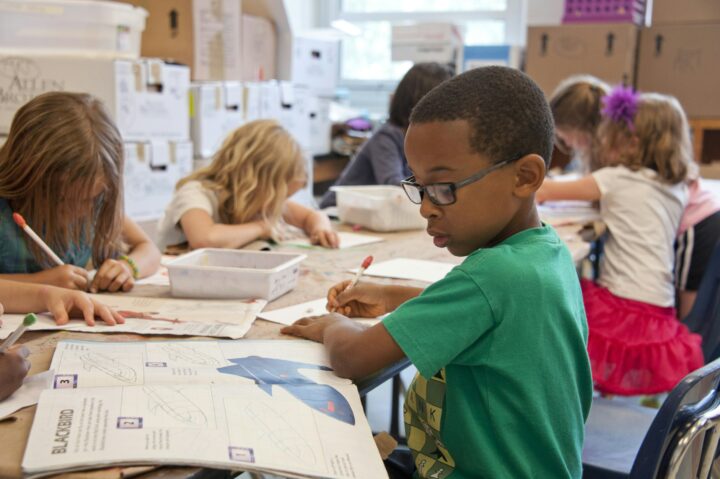
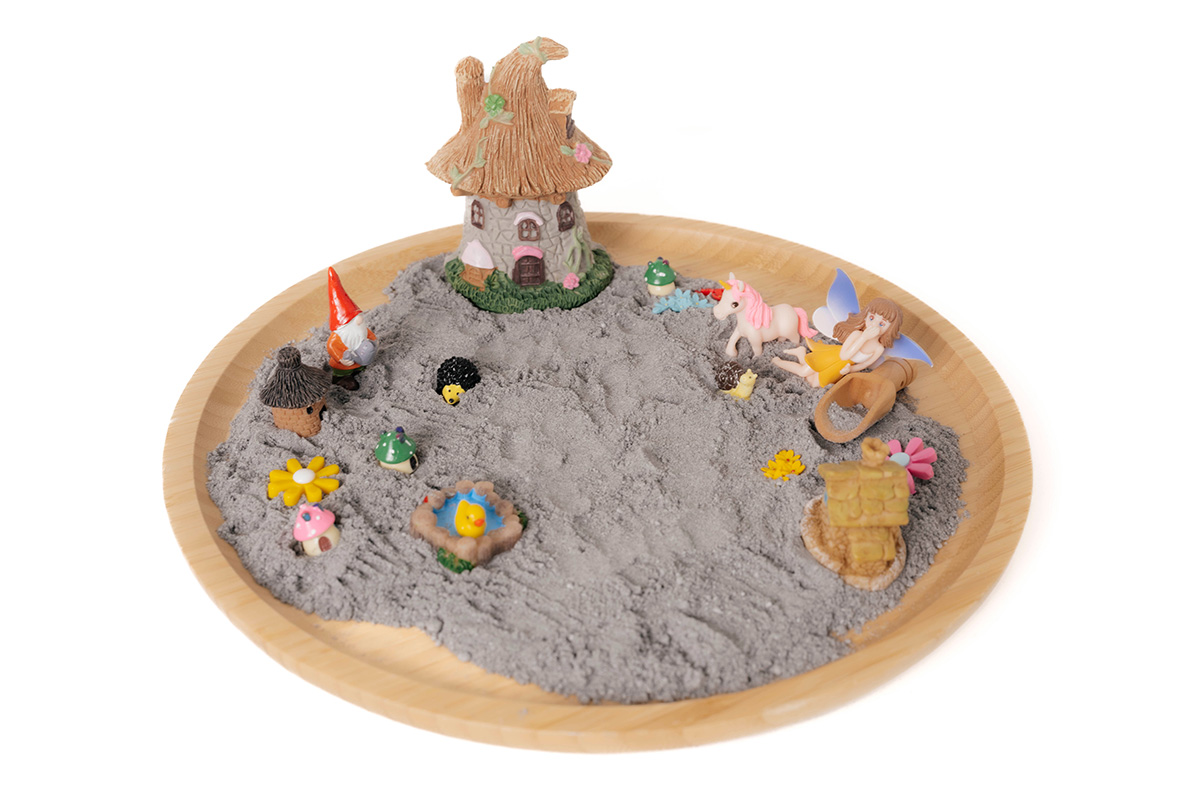

We use sandtray therapy in our clinic to provide a hands-on, expressive approach to therapy. It’s simple: provide a tray of sand along with a variety of mini figures and small toys, and let clients explore and build scenes. While sandtray therapy is typically used with children, we use it with clients of all ages. It’s a great way for them to express feelings and experiences when expressing themselves verbally is difficult or impossible.
What Is Sandtray Therapy?
Sandtray therapy was developed a hundred years ago in the 1920s by Margaret Lowenfield, as a way for children to communicate through play rather than conversation. It’s a part of play therapy that we provide in our clinic. When playing in the sand, kids can use the sand and small objects (such as people, animals, blocks, and other small toys) to create scenes that represent a their inner world.
It’s also called Sandplay Therapy, which represents its purpose: therapy through play. It has evolved over the last several decades, but its core purpose remains, to give clients the opportunity to use this miniature physical terrain to express themselves, and allows us as therapists to interpret their creations and provide them with the tools and resources that they need to move forward. And while historically it was developed for children, we have found that it’s an excellent therapeutic tool for all ages.
How It Works
During a play session, the therapist provides a tray partially filled with sand and invites the client to choose miniature objects to arrange in any way they like. There is no right or wrong way to do this.
The scene that takes shape often reflects their emotions, relationships, challenges, or hopes. As the scene is built, the therapist observes without judgment and offers space for reflection.
Afterward, they may talk together about the symbols and patterns that emerged, or simply sit with the image and allow meaning to unfold naturally during their conversation or during future appointments.
Why Sandtray Therapy Works
- Nonverbal Expression – Many people find it hard to talk about trauma or complex emotions. Sandtray therapy helps the subconscious communicate through this physical miniature landscape, without needing to utter a single word.
- Safe Emotional Distance – Building a miniature world creates a sense of control and safety, making it easier to explore painful material without feeling overwhelmed.
- Mind-Body Connection – Working with sand gives clients a sensory experience that they enjoy, while connecting them to deeper emotional experiences.
- Symbolic Healing – Constructing, reshaping, and rebuilding the little world they’ve created inside the tray can mirror psychological change.
Who Can Benefit
Whlie sandtray therapy is often used with children, it can be effective for people of all ages and backgrounds, including:
- Adolescents and teens coping with trauma, grief, anxiety, or behavior concerns
- Adults managing depression, stress, or relationship challenges
- Couples and families seeking better communication and connection
- Trauma survivors who may find verbal processing too intense
What a Session Looks Like
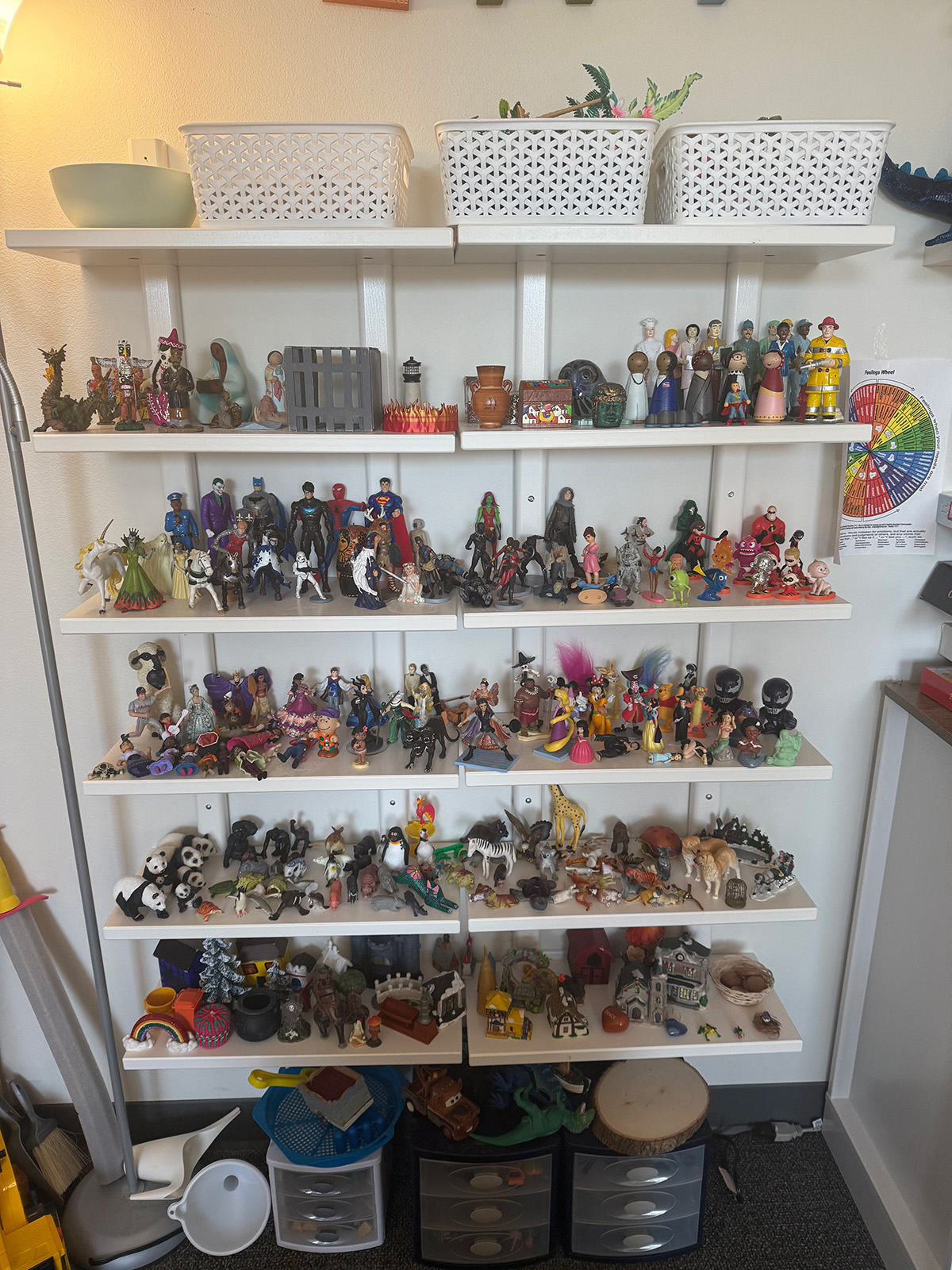
Sessions typically last 45–60 minutes. At our Beaverton clinics, we have a table or shelves filled with miniatures to choose from—everything from people and animals to vehicles, fantasy figures, and natural elements. The client is invited to build a scene that reflects how they feel in that moment.
Therapists trained in sandtray therapy avoid interpreting symbols too quickly. Instead, they help their clients discover their own meanings. Over time, the process can reveal themes, potentially leading to growth and healing.
Sandtray therapy reminds us that healing doesn’t always come through words. It can be tactile, visual, and deeply creative. Through this process, clients rediscover parts of themselves, process emotion, and find new ways of making sense of their lives.
View the Treehouse Counseling therapists trained in play therapy, which does include sandtray therapy.